CNCF Launches User Group Program to Formalize Industry-Specific Cloud Native Collaboration

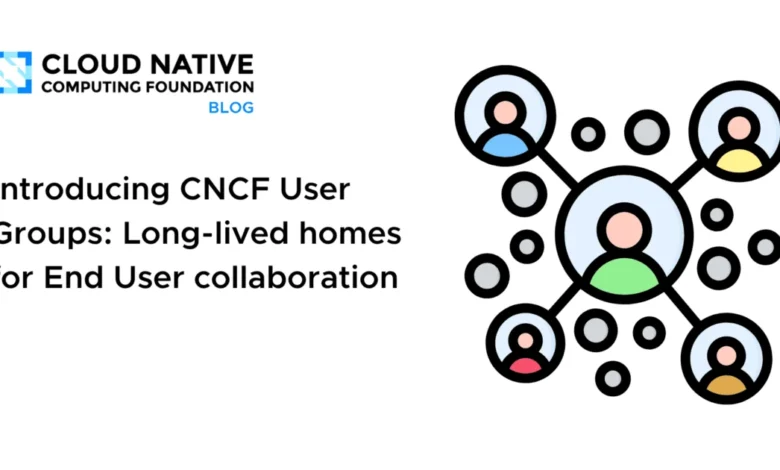
The Cloud Native Computing Foundation (CNCF) has officially inaugurated its User Group Program, a strategic initiative designed to provide a structured, long-term home for industry-specific and domain-focused communities within the broader cloud native ecosystem. Announced on November 11, 2026, at KubeCon + CloudNativeCon North America, the program establishes a formal governance layer that reports directly to the CNCF Technical Advisory Board (TAB). This development marks a significant evolution in how the foundation supports the diverse operational needs of its end-user organizations, moving beyond transient, project-based collaboration toward sustained, chartered institutional support.
The Evolution of Cloud Native Governance
For the past decade, the CNCF has functioned primarily as a host for open-source projects. However, as cloud native adoption has matured, the needs of organizations—ranging from high-frequency trading firms and telecommunications giants to government agencies and research laboratories—have diverged. A "one-size-fits-all" approach to platform architecture or operational tooling has become increasingly untenable.
The User Group Program addresses this fragmentation by acknowledging that cloud native adoption manifests differently depending on a company’s regulatory environment, scale, and technical requirements. While previous initiatives often relied on sporadic "working groups" that frequently dissolved upon the completion of a specific project, the new User Group framework is designed for longevity. These groups are chartered, subject to formal oversight, and tasked with maintaining reference architectures, white papers, and ongoing community health.
Chronology of the Structural Shift
The shift toward this new governance model has been a multi-year effort, accelerating significantly following the CNCF’s internal restructuring of technical groups in 2025.
- 2024–2025: The CNCF began reevaluating its support for end-user communities, identifying a gap between informal "community discussions" and formal technical oversight.
- May 2025: The Technical Oversight Committee (TOC) implemented a major restructuring of Technical Advisory Groups (TAGs), separating project-oriented development from user-oriented operational discourse.
- Late 2025: The concept of Technical Community Groups (TCGs) was piloted as a "lightweight" entry point for communities to organize.
- November 2026: The official launch of the User Group Program at KubeCon + CloudNativeCon marks the transition of the first cohort of mature TCGs into chartered User Groups, granting them direct access to the TAB.
The Distinction Between TCGs and User Groups
The CNCF has implemented a clear "on-ramp" path to ensure that only groups with demonstrated commitment and community impact receive the full resources of a chartered User Group. The distinction is defined by scope and accountability.
Technical Community Groups (TCGs) serve as the foundation—a venue for practitioners to network, share knowledge, and coordinate initial efforts. They operate with minimal governance and hold meetings every 90 days. Conversely, User Groups are the "standing" units of the organization. They are required to have a TAB-approved charter, conduct monthly recorded public meetings, and provide regular health reports to the TAB.
This tiered structure creates a pipeline: a group starts as a TCG, builds a track record of deliverables—such as white papers or maturity models—and, upon proving the necessity of their domain, petitions the TAB to become a full User Group. This ensures that the CNCF’s administrative bandwidth is reserved for communities that have already validated their long-term value to the ecosystem.
Case Study: The Platform Engineering Transition
The Platform Engineering community serves as the primary model for this transition. Having evolved from a Working Group under the former TAG App Delivery into a TCG following the 2025 restructuring, the group has spent the last year refining its output. By producing influential assets such as the Platform Engineering Maturity Model and the Platforms White Paper, the community demonstrated the operational necessity of its work.
Chris Plank, a lead organizer for the community, noted that the designation as a formal User Group is more than a title; it is an organizational milestone. "Being recognized as a CNCF User Group is an exciting milestone for us. It validates years of dedication from our community members and provides the elevated visibility we need to bring in new ideas, attract fresh talent, and continue shaping the future of Platform Engineering together," Plank stated.
The group’s new charter empowers it to formalize focus areas that were previously decentralized, including the development of "golden paths," self-service infrastructure, developer experience (DevEx) metrics, and the integration of policy-as-code into standard internal developer platforms (IDPs).
Data-Driven Governance and Accountability
The rigor applied to these groups is intended to solve the "fading initiative" problem. Under the new charter, each User Group must:
- Maintain a documented charter approved by the TAB.
- Appoint chairs who serve two-year, renewable terms.
- Produce verifiable output—such as reference architectures, which are critical for industries that cannot rely on generic documentation.
- Report regularly to the TAB, providing data on meeting attendance, project status, and community engagement.
This data-driven approach allows the CNCF to track the return on investment for community resources. If a group fails to meet its reporting requirements or ceases to provide value to the end-user base, its charter can be revoked or transitioned back to a lower-tier status, ensuring the foundation remains agile and responsive.
Broader Implications for the Cloud Native Ecosystem
The launch of the User Group Program signifies a shift toward a more mature, enterprise-focused phase of the cloud native era. By providing a home for vertical-specific concerns—such as the unique security requirements of the Public Sector or the specialized networking demands of telecommunications—the CNCF is effectively lowering the barrier to entry for highly regulated industries.
The implications for the wider market are twofold:
- Standardization: As User Groups produce white papers and reference architectures, these documents will likely become the industry standard for specific verticals, reducing the "guesswork" for organizations undergoing digital transformation.
- Talent Retention: By providing a formal path for contribution, the CNCF is creating a professionalized career ladder for cloud native practitioners. Individuals can now lead or contribute to a chartered User Group, gaining recognition that is codified by the industry’s primary governing body.
A Roadmap for Future Groups
For communities currently operating as informal silos, the path forward is clearly defined. The CNCF advises that any group identifying a "technical domain gap" should first engage with the TAB chairs to determine whether their focus is better suited for a User Group (industry/end-user focused) or a TAG (project/technology-focused).
The launch of the four initial groups—which span critical areas such as Platform Engineering and the Public Sector—serves as a pilot. As these groups settle into their new governance roles at KubeCon, the CNCF will likely observe an increase in petitions from other specialized communities. By providing this structure, the foundation is ensuring that it remains the central clearinghouse for cloud native knowledge, regardless of how specialized that knowledge becomes.
For those in attendance at KubeCon, the message is clear: the era of informal, ad-hoc community management is giving way to a new standard of institutionalized, professionalized, and accountable collaboration. As the ecosystem continues to scale, the User Group Program will be the primary mechanism by which the CNCF preserves its community-driven ethos while delivering the professional-grade guidance that modern enterprises demand.